

Understanding the Importance of Regular Dental Check-Ups
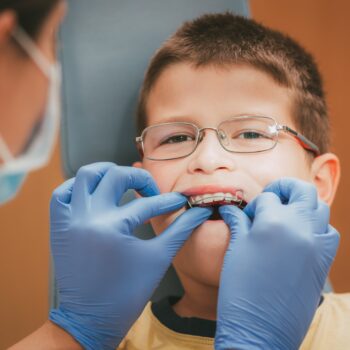
Regular dental check-ups are essential for maintaining optimal oral health and preventing serious dental issues. These visits allow dentists to identify early signs of problems such as cavities, gum disease, and oral cancer, which can be more effectively treated when caught early.
During a typical check-up, your dentist will perform a thorough examination of your teeth and gums, often accompanied by professional cleanings to remove plaque and tartar buildup. This proactive approach not only helps preserve your smile but also saves you from more extensive and costly treatments down the line.
Common Dental Myths Debunked
There are many myths surrounding dental care that can lead to misunderstandings and poor oral hygiene practices. Common misconceptions include the belief that sugar is the only cause of cavities or that whitening treatments damage teeth.
By debunking these myths, patients can make informed decisions about their dental care. For example, while sugar does contribute to tooth decay, factors like oral hygiene and genetics also play significant roles. Educating patients on these topics fosters better habits and promotes a healthier smile.
The Role of Nutrition in Oral Health
Nutrition plays a crucial role in maintaining oral health, as the foods we consume can significantly impact the condition of our teeth and gums. A balanced diet rich in vitamins and minerals supports not only overall health but also helps strengthen tooth enamel and reduce the risk of gum disease.
Incorporating foods high in calcium, such as dairy products, leafy greens, and nuts, can enhance tooth strength. Additionally, crunchy fruits and vegetables help stimulate saliva production, which is essential for neutralizing acids and washing away food particles, further protecting your teeth.
Innovations in Dental Technology
The field of dentistry is constantly evolving, with new technologies improving patient care and treatment outcomes. Innovations such as digital X-rays, 3D printing, and laser dentistry are transforming how dental procedures are performed, making them faster, safer, and more comfortable.
For instance, digital X-rays expose patients to significantly less radiation compared to traditional X-rays, while laser dentistry allows for minimally invasive procedures that can reduce recovery time. Staying informed about these advancements can help patients understand their treatment options and the benefits of modern dental care.