
Understanding the Types of Dental Bridges
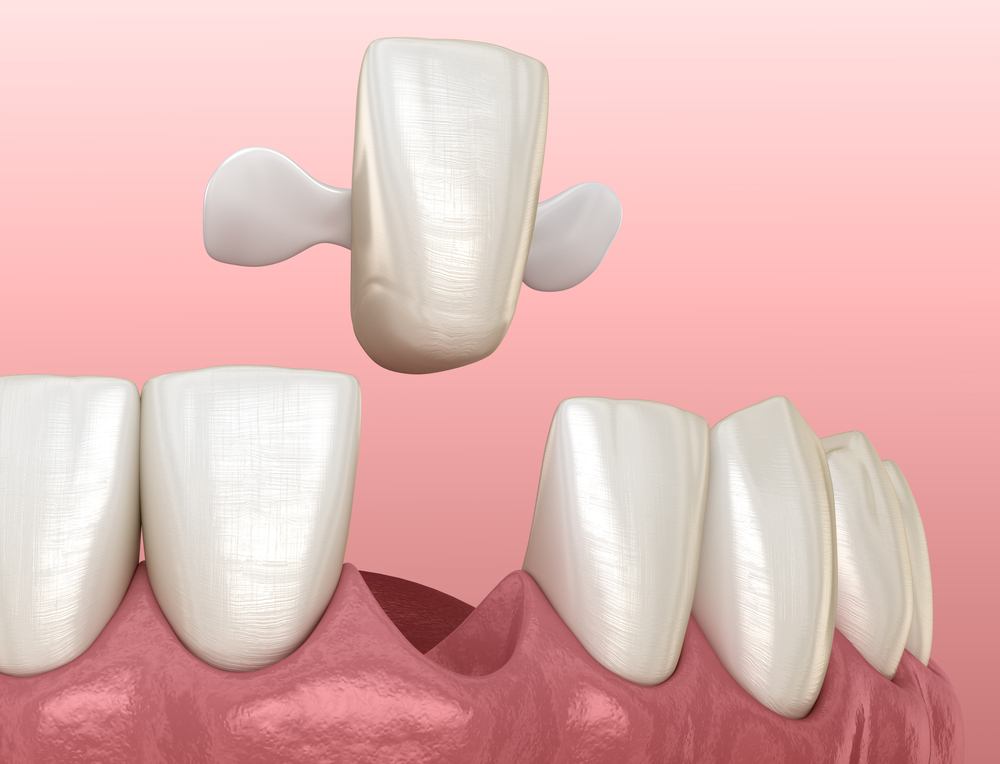
Dental bridges come in various types, each designed to address specific dental needs. The most common types include traditional bridges, Maryland bridges, cantilever bridges, and implant-supported bridges. Understanding these options can help patients make informed decisions about their tooth replacement solutions.
For instance, traditional bridges require crowns on adjacent teeth for support, while cantilever bridges are used when there is only one adjacent tooth. Implant-supported bridges provide a more permanent solution by anchoring to dental implants, making them a suitable option for patients with significant bone loss. Each type has its own advantages and considerations, which should be discussed with a dental professional.
The Cost of Maryland Dental Bridges
Cost is a significant factor for many patients considering Maryland dental bridges. The price can vary based on several factors, including the number of missing teeth, the materials used, and the complexity of the case. Understanding these costs upfront can help patients plan their dental care budget effectively.
On average, Maryland bridges can be more affordable than traditional bridges due to their less invasive nature and the materials used. Patients should consult with their dentist to get a detailed estimate and inquire about financing options, insurance coverage, and payment plans that might be available to ease the financial burden of dental care.
Aftercare for Maryland Dental Bridges
Proper aftercare is crucial for the longevity and functionality of Maryland dental bridges. Patients should maintain excellent oral hygiene practices, including regular brushing and flossing, to prevent decay around the bridge and ensure the health of surrounding teeth. Regular dental check-ups are also essential to monitor the condition of the bridge and overall oral health.
Additionally, patients may experience mild sensitivity following the placement of their Maryland bridge. It is important to follow the dentist's recommendations regarding diet and care during the adjustment period. Avoiding hard or sticky foods can minimize discomfort and help the bridge settle properly.
Common Myths About Maryland Dental Bridges
There are several misconceptions surrounding Maryland dental bridges that can lead to confusion for patients. One common myth is that bridges are only for older patients; however, they can be beneficial for anyone with missing teeth, regardless of age. Another myth is that bridges require extensive tooth alteration, but Maryland bridges are designed to be less invasive than traditional options.
Understanding the facts about Maryland bridges can empower patients to make informed choices. For example, many believe that bridges will not look natural; however, advancements in dental technology allow for highly aesthetic results that blend seamlessly with natural teeth. Dispelling these myths can help patients feel more confident in their decisions regarding tooth replacement options.