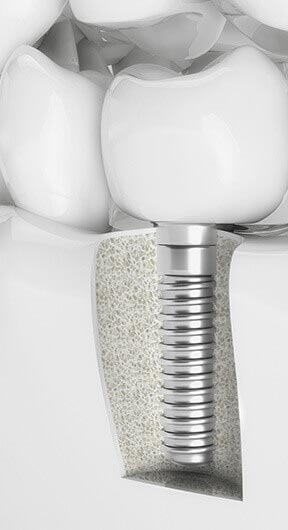

Understanding the Dental Implant Process
The dental implant process involves several key steps designed to ensure that the implant integrates seamlessly with your jawbone and functions like a natural tooth. This process typically begins with a thorough consultation, where the dentist evaluates your oral health and discusses your treatment options. Following this, the implant post is surgically placed into the jawbone, initiating a healing phase known as osseointegration, where the bone fuses with the implant.
After the healing period, which can vary based on individual health factors, the dentist attaches an abutment to the implant, followed by the placement of a custom crown. This multi-step procedure not only restores the aesthetic appearance of a missing tooth but also reinstates its functional capability, allowing patients to enjoy their favorite foods without concern.
Potential Risks and Complications of Dental Implants
While dental implants are a highly effective solution for tooth replacement, there are potential risks and complications that patients should be aware of. These can include infection at the implant site, nerve damage, or sinus issues if the implant is placed in the upper jaw. Understanding these risks can help patients make informed decisions and prepare adequately for their procedure.
It is crucial to discuss any underlying health conditions with your dentist, as factors such as diabetes and smoking can impact healing and the overall success of the implant. Regular follow-ups and adhering to post-operative care instructions significantly reduce the likelihood of complications, ensuring a successful outcome.
Long-Term Maintenance of Dental Implants
Maintaining your dental implants is essential for their longevity and effectiveness. This includes adhering to a strict oral hygiene routine that consists of daily brushing and flossing, as well as regular dental check-ups to monitor the health of the implant and surrounding tissues. Proper care can help prevent issues such as peri-implantitis, an inflammatory condition that affects the gum tissue surrounding the implant.
In addition to routine oral care, patients should also be mindful of their diet and avoid hard or sticky foods that could damage the implant. Utilizing specialized cleaning tools, such as implant-safe floss and interdental brushes, can enhance maintenance efforts, ensuring that your implants last for many years to come.
The Cost of Dental Implants: What to Expect
The cost of dental implants can vary significantly based on several factors, including the complexity of the case, the materials used, and the specific dental practice. On average, patients can expect to invest in a dental implant ranging from $3,000 to $4,500 per tooth. This investment reflects the advanced technology and expertise involved in the procedure.
Many dental practices, including Brian Klym DDS, offer financing options to help patients manage the cost of their dental implants. It is advisable to discuss these options during your consultation, as well as inquire about insurance coverage, which may partially reimburse the costs associated with implant surgery and restoration.