
Understanding Peri-implantitis and Its Management
Peri-implantitis is a significant concern for dental implant recipients, characterized by inflammation of the gums and bone surrounding the implant. This condition can lead to implant failure if not addressed promptly and effectively. It often stems from plaque buildup, similar to gum disease in natural teeth, and can manifest as redness, swelling, and bleeding around the implant site.
Effective management of peri-implantitis involves a multi-faceted approach. Initial treatment typically includes professional cleaning to remove plaque and calculus, often combined with antimicrobial rinses. In more advanced cases, surgical intervention may be necessary to decontaminate the implant surface and address bone loss. Regular follow-up appointments are crucial to monitor healing and prevent recurrence.
The Importance of Professional Dental Cleanings for Implants
While diligent at-home oral hygiene is paramount, professional dental cleanings play an indispensable role in maintaining the long-term health of dental implants. These specialized cleanings allow your dental hygienist to thoroughly remove plaque and tartar buildup from areas that are difficult to reach with regular brushing and flossing, significantly reducing the risk of peri-implantitis and other complications.
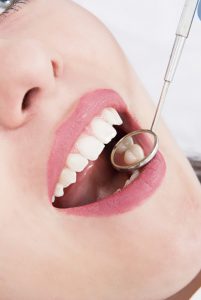
During a professional cleaning, your dental team will use specialized instruments designed to safely clean around the implant abutment and crown without causing damage. They will also assess the health of the surrounding tissues, check for any signs of inflammation or bone loss, and provide personalized advice on optimizing your home care routine. These regular check-ups ensure your dental implants remain stable and functional for years to come.
Dietary Considerations for Dental Implant Longevity
Your diet plays a more significant role in the longevity of your dental implants than you might realize. While implants themselves are not susceptible to decay, the surrounding gum tissue and bone health are influenced by your nutritional intake. A balanced diet rich in vitamins and minerals supports overall oral health, which is crucial for the success of your implants.
Consuming a diet that is low in sugar and acidic foods helps to minimize the risk of plaque formation and bacterial growth, thereby protecting your gums and the implant interface. Incorporating foods high in calcium and Vitamin D can contribute to strong bone density, which is essential for supporting the implants. Conversely, excessive consumption of sticky, sugary, or hard foods can put undue stress on implants and increase the risk of damage or complications.
Recognizing Early Warning Signs of Dental Implant Issues
Being vigilant about the early warning signs of potential dental implant problems is key to preserving your investment and oral health. While dental implants are designed for durability, they are not entirely immune to complications. Recognizing these subtle indicators can lead to timely intervention and prevent more serious issues from developing.
Common early warning signs include persistent discomfort or pain around the implant site, noticeable swelling or redness of the gums, bleeding during brushing or flossing, and any loosening of the implant crown or abutment. A change in the way your bite feels, or a persistent bad taste in your mouth, can also be indicative of an underlying problem. If you experience any of these symptoms, it is crucial to contact Dr. Klym's office immediately for an evaluation.