
Long-Term Benefits of Dental Implants
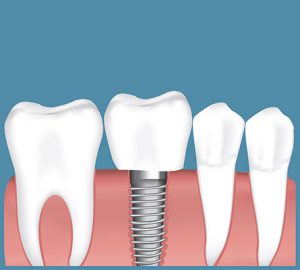
Dental implants offer numerous long-term benefits beyond just aesthetics. They provide a durable solution that mimics the function of natural teeth, allowing patients to eat, speak, and smile with confidence. Unlike dentures, which may require frequent adjustments, dental implants are designed to last a lifetime with proper care.
In addition to improved functionality, dental implants help maintain jawbone health by preventing bone loss that often occurs after tooth loss. Studies have shown that patients with dental implants experience better oral health outcomes and overall quality of life compared to those with traditional dentures or bridges.
Comparing Dental Implants to Other Tooth Replacement Options
When considering tooth replacement options, dental implants stand out for their stability and longevity compared to alternatives like dentures and bridges. While dentures can slip and cause discomfort, and bridges require alteration of adjacent teeth, implants integrate with the jawbone, providing a secure and natural feel.
Moreover, dental implants do not require the same level of maintenance as dentures, which need to be removed and cleaned daily. This ease of care, combined with their aesthetic appeal, makes implants a preferred choice for many patients seeking a reliable tooth replacement solution.
Ideal Candidates for Dental Implants
Not everyone is an ideal candidate for dental implants, but many individuals can benefit from this treatment. Candidates typically include those with good oral health, sufficient bone density to support the implant, and a commitment to maintaining oral hygiene. Patients who have lost teeth due to injury, decay, or periodontal disease may also find dental implants to be a suitable option.
It's important for prospective patients to undergo a comprehensive dental evaluation to determine their suitability for implants. Factors such as age, overall health, and lifestyle choices can also influence candidacy, which is why consulting with a dental professional is essential for personalized advice.
Aftercare and Maintenance of Dental Implants
Proper aftercare and maintenance are crucial for the longevity of dental implants. Patients are advised to maintain regular dental check-ups and cleanings to monitor the health of their implants and surrounding tissues. Daily oral hygiene practices, including brushing and flossing, are vital to prevent infection and ensure the success of the implant.
Additionally, lifestyle factors such as avoiding tobacco use and managing conditions like diabetes can significantly impact the healing process and overall success of dental implants. Following the dentist's aftercare instructions will help ensure that the investment in dental implants pays off in the long run.
Long-Term Benefits of Dental Implants
Dental implants offer numerous long-term benefits beyond just aesthetics. They provide a durable solution that mimics the function of natural teeth, allowing patients to eat, speak, and smile with confidence. Unlike dentures, which may require frequent adjustments, dental implants are designed to last a lifetime with proper care.
In addition to improved functionality, dental implants help maintain jawbone health by preventing bone loss that often occurs after tooth loss. Studies have shown that patients with dental implants experience better oral health outcomes and overall quality of life compared to those with traditional dentures or bridges.
Comparing Dental Implants to Other Tooth Replacement Options
When considering tooth replacement options, dental implants stand out for their stability and longevity compared to alternatives like dentures and bridges. While dentures can slip and cause discomfort, and bridges require alteration of adjacent teeth, implants integrate with the jawbone, providing a secure and natural feel.
Moreover, dental implants do not require the same level of maintenance as dentures, which need to be removed and cleaned daily. This ease of care, combined with their aesthetic appeal, makes implants a preferred choice for many patients seeking a reliable tooth replacement solution.
Ideal Candidates for Dental Implants
Not everyone is an ideal candidate for dental implants, but many individuals can benefit from this treatment. Candidates typically include those with good oral health, sufficient bone density to support the implant, and a commitment to maintaining oral hygiene. Patients who have lost teeth due to injury, decay, or periodontal disease may also find dental implants to be a suitable option.
It's important for prospective patients to undergo a comprehensive dental evaluation to determine their suitability for implants. Factors such as age, overall health, and lifestyle choices can also influence candidacy, which is why consulting with a dental professional is essential for personalized advice.
Aftercare and Maintenance of Dental Implants
Proper aftercare and maintenance are crucial for the longevity of dental implants. Patients are advised to maintain regular dental check-ups and cleanings to monitor the health of their implants and surrounding tissues. Daily oral hygiene practices, including brushing and flossing, are vital to prevent infection and ensure the success of the implant.
Additionally, lifestyle factors such as avoiding tobacco use and managing conditions like diabetes can significantly impact the healing process and overall success of dental implants. Following the dentist's aftercare instructions will help ensure that the investment in dental implants pays off in the long run.